

ECKART GmbH
With the Synapsis program, DRÄXLMAIER Group set the course early for a globally integrated SAP S/4HANA landscape. The start was deliberately designed for speed and flexibility: new systems were built in parallel with the existing in-house operations to accelerate the transformation program. As business relevance grew, so did the requirements for stability, availability and scalability. Together with Manage Now, this evolved step by step into a professional operating model: from 1st Generation Outsourcing through migration to the ServiceHub and on to today’s support for SAP S/4HANA RISE.
Challenges
The initial situation at DRÄXLMAIER was demanding—and for that reason typical of large transformation programs. Business-critical legacy SAP systems were running in-house in the company’s own data centers, while Synapsis was creating a new S/4HANA world, initially built on AWS to ensure speed and flexibility for the greenfield approach. This setup made sense for the early project phase, but it was not designed for permanently business-critical operations with clear SLAs, resilient backup and recovery structures, and 24/7 services. The organizational dimension added further complexity: the internal SAP Basis team could not operate a landscape of this scale on a permanent basis. As the rollout progressed, the number of systems grew sharply, with correspondingly increasing requirements for high availability, scaling and economically predictable operations. For DRÄXLMAIER, the issue went beyond hosting; it was about how to transition a highly dynamic transformation landscape into stable regular operations without losing speed and flexibility.
Solution
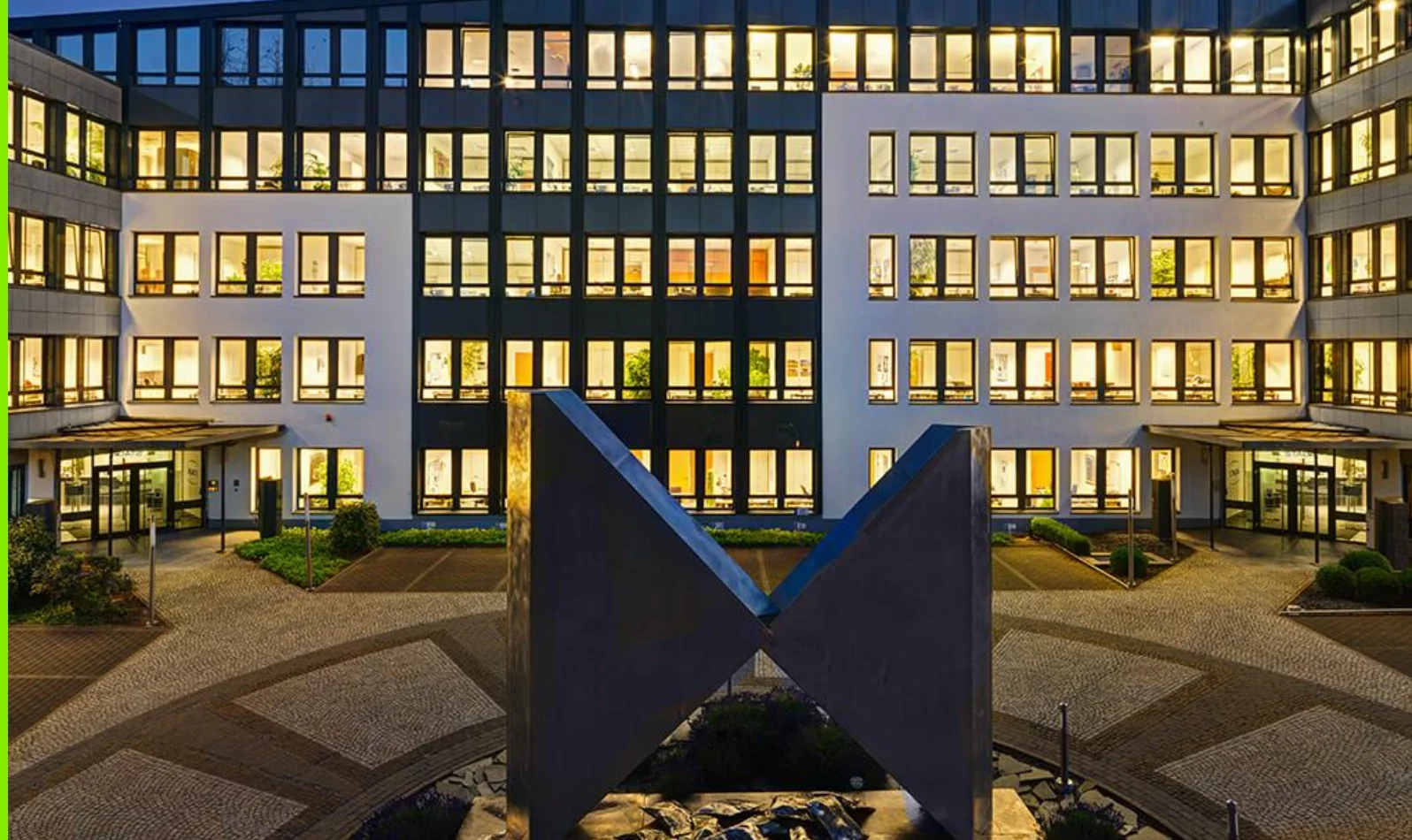
Manage Now is responsible for operating the SAP and selected non-SAP systems for ECKART and the affiliated companies, providing a stable technical foundation for ongoing business operations. Today, around 80 system instances are operated across several companies, including SAP Basis services down to the operating-system level as well as complementary services such as EDI. The focus is on reliably ensuring availability, performance and integration. In parallel, Manage Now supports the continuous development of the system landscapes. This includes, in particular, S/4HANA conversions, release and version upgrades, the harmonization of system architectures and ensuring integration between networked systems. A key success factor is consistent continuity in the delivery model. Project management and implementation remain staffed consistently over the entire lifecycle, enabling deep system understanding to be built up and used over the long term. This is complemented by close collaboration with the business departments at ECKART, which act as the central steering body within the ALTANA Group.
Results
The collaboration is characterized by stable operations and, at the same time, successful transformations across several system landscapes. Operations are managed consistently within the agreed service levels, while several S/4HANA transformations have been successfully implemented in parallel. The projects consistently achieve high ratings and confirm the quality of implementation. At the same time, the operating model enables a high degree of flexibility for short notice requirements, such as system copies or adjustments, without affecting ongoing operations. The system landscapes are continuously developed further without jeopardizing stability.
Conclusion
The key added value lies in the ability to combine stable operations with continuous transformation. Manage Now not only ensures the availability of business-critical systems, but also creates the foundation for the gradual development toward S/4HANA. This turns a complex, heterogeneous system landscape into a manageable and future-ready SAP environment with a clear perspective.